

Hey there! As a supplier of Anti Static Lab Chairs, I often get asked all sorts of questions about where and how to use our chairs. One question that popped up recently is, "Can I use an anti-static lab chair in a water treatment lab?" Let's dig into this topic and figure out the ins and outs.
Understanding Anti - Static Lab Chairs
First off, let's quickly go over what anti - static lab chairs are all about. These chairs are designed to prevent the build - up of static electricity. In many lab environments, static electricity can be a real pain in the neck. It can damage sensitive electronic equipment, cause dust and particles to stick to surfaces, and even pose a risk of electrostatic discharge (ESD) which could potentially lead to fires or explosions in certain situations.
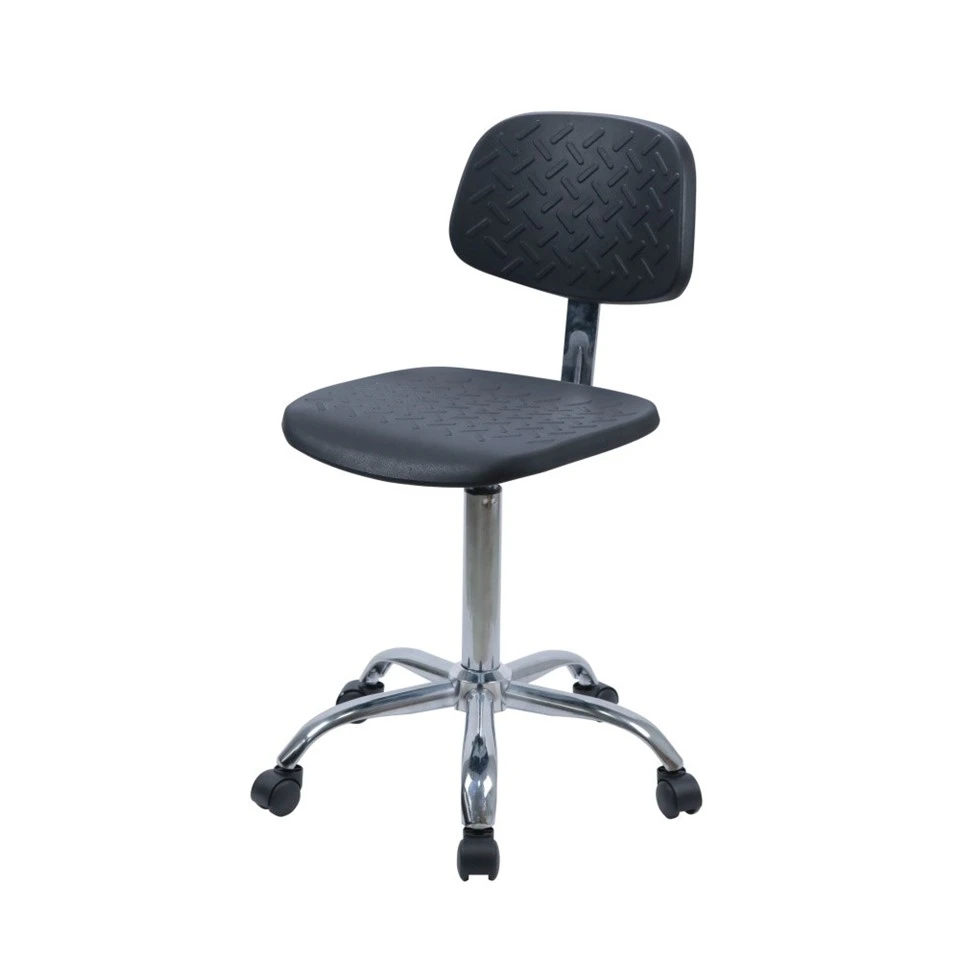
Our range of anti - static lab chairs includes different types like the ESD Cleanroom Chair, ESD Chair with Armrest, ESD Task Chair, Anti Static Office Chair, and ESD Office Chairs. Each of these chairs is built with special materials that help dissipate static electricity safely.
The Water Treatment Lab Environment
Water treatment labs are a bit of a unique breed. They deal mainly with water and various chemical substances used to treat that water. These chemicals can range from mild ones like chlorine for disinfection to more caustic and aggressive substances. The environment in these labs is often wet or at least has a high level of humidity. There's also a fair amount of splashing and spills that can happen during the treatment processes.
Pros of Using Anti - Static Lab Chairs in a Water Treatment Lab
Static Control
Even in a water treatment lab, there can be a need for static control. For example, if there are any electronic monitoring devices or control systems in the lab, static electricity can still cause problems. An anti - static lab chair can help protect these devices from ESD damage. This means fewer malfunctions and longer lifespans for your expensive equipment.
Comfort
Our anti - static lab chairs are designed with comfort in mind. Lab technicians spend long hours sitting at their workstations, carrying out various water testing and treatment procedures. A comfortable chair can lead to better productivity and less fatigue. And with the adjustable features of our chairs, like height adjustment and lumbar support, technicians can customize the chair to fit their needs perfectly.
Cons and Challenges
Moisture and Chemical Resistance
The big issue with using anti - static lab chairs in a water treatment lab is the potential exposure to moisture and chemicals. Most anti - static materials are not specifically designed to withstand the constant splashing and soaking that can occur in these labs. Water can penetrate the chair's fabric or padding, which may not only damage the anti - static properties but also cause the chair to deteriorate more quickly.

As for chemicals, some of the substances used in water treatment, such as strong acids or bases, can corrode the chair's surface. This corrosion can lead to a breakdown of the anti - static coating and other materials. And once the chair's integrity is compromised, it may no longer be effective at preventing static electricity.
Maintenance
Maintaining an anti - static lab chair in a water treatment lab can be a real headache. You'd need to clean the chair regularly to remove any chemical residues or moisture. But cleaning has to be done carefully to avoid damaging the anti - static components. Using the wrong cleaning agents can strip away the anti - static properties or cause other damage to the chair.
Solutions and Considerations
Chair Selection
If you still want to use an anti - static lab chair in a water treatment lab, you need to choose the right one. Look for chairs that have a high level of moisture and chemical resistance. Some of our chairs come with special coatings or materials that can withstand a certain degree of exposure to water and chemicals. You may also want to consider a chair with removable and washable parts. This way, if the chair gets dirty or wet, you can easily take it apart, clean it, and put it back together.
Protective Measures
In addition to choosing the right chair, you can also take some extra protective measures. Place a waterproof and chemical - resistant mat under the chair to catch any spills or splashes. This will help keep the chair dry and reduce the risk of chemical damage. You can also use chair covers made from materials that are resistant to both water and chemicals. These covers can be easily removed and washed when needed.
Regular Inspections
It's important to conduct regular inspections of the anti - static lab chair. Check for any signs of wear and tear, corrosion, or damage to the anti - static coating. If you notice any issues, address them immediately. This could involve replacing the chair cover, treating the chair with a special anti - static coating, or even replacing the entire chair if the damage is too severe.
Conclusion
So, can you use an anti - static lab chair in a water treatment lab? The answer is yes, but with some caveats. You need to be aware of the challenges and take the necessary steps to make sure the chair can withstand the lab environment. By choosing the right chair, taking protective measures, and conducting regular inspections, you can successfully use an anti - static lab chair in your water treatment lab.
If you're interested in our range of anti - static lab chairs or have any more questions about their suitability for your water treatment lab, we'd love to hear from you. Feel free to reach out for a discussion about your specific needs and how our chairs can fit into your lab setup. Whether it's the ESD Cleanroom Chair for a more sensitive area or the ESD Chair with Armrest for added comfort, we've got options for you.
References
- General knowledge about anti - static materials and lab chair design.
- Industry standards for lab equipment and safety in water treatment labs.