

When it comes to maintaining a clean and controlled environment in industries such as semiconductor manufacturing, pharmaceuticals, and biotechnology, cleanroom stools play a crucial role. Among the various types of cleanroom stools available, leather cleanroom stools are particularly popular due to their durability, comfort, and aesthetic appeal. One of the key components of these stools is the wheels, which not only affect the mobility of the stool but also its suitability for cleanroom use. In this blog post, I will discuss the different types of wheels commonly used on leather cleanroom stools, sharing insights from my experience as a leather cleanroom stool supplier.
Importance of Wheels in Cleanroom Stools
Before delving into the specific types of wheels, it's important to understand the significance of wheels in cleanroom stools. In a cleanroom environment, minimizing particle generation and contamination is of utmost importance. The wheels of a cleanroom stool need to be designed in such a way that they do not shed particles, generate dust, or introduce any contaminants into the environment. Additionally, the wheels should provide smooth mobility, allowing users to move around the cleanroom with ease without causing any disruptions.
Types of Wheels Used on Leather Cleanroom Stools
Non-Marking Rubber Wheels
Non-marking rubber wheels are a popular choice for leather cleanroom stools. These wheels are made from high-quality rubber that is designed to leave no marks on the cleanroom floor. They are soft and flexible, which helps to absorb shock and reduce noise during movement. Non-marking rubber wheels also provide good traction, ensuring that the stool remains stable and can be easily maneuvered.
One of the key advantages of non-marking rubber wheels is their ability to prevent damage to the cleanroom floor. In a cleanroom environment, the floor is often made of sensitive materials that can be easily scratched or damaged. Non-marking rubber wheels help to protect the floor from such damage, ensuring its longevity and maintaining the cleanliness of the environment.
Polyurethane Wheels
Polyurethane wheels are another common option for leather cleanroom stools. Polyurethane is a synthetic material that offers a combination of durability, chemical resistance, and low particle generation. These wheels are known for their high load-bearing capacity, making them suitable for heavy-duty use.
Polyurethane wheels are also resistant to wear and tear, which means they have a longer lifespan compared to other types of wheels. They are less likely to crack or deform under pressure, ensuring smooth and reliable operation. Additionally, polyurethane wheels are easy to clean and maintain, which is essential in a cleanroom environment.
Stainless Steel Wheels
Stainless steel wheels are a more specialized option for leather cleanroom stools. These wheels are made from high-grade stainless steel, which offers excellent corrosion resistance and durability. Stainless steel wheels are particularly suitable for cleanrooms that are exposed to harsh chemicals or high levels of moisture.
One of the main advantages of stainless steel wheels is their ability to withstand extreme conditions. They are not affected by rust or corrosion, which means they can be used in wet or humid environments without any issues. Stainless steel wheels also provide a high level of stability and precision, making them ideal for applications that require accurate positioning.
Factors to Consider When Choosing Wheels for Leather Cleanroom Stools
Cleanliness Requirements
The cleanliness requirements of the cleanroom environment are one of the most important factors to consider when choosing wheels for leather cleanroom stools. Different cleanrooms have different levels of cleanliness, and the wheels need to be selected accordingly. For example, in a Class 100 cleanroom, where the number of particles per cubic foot is limited to 100, the wheels need to be extremely clean and generate very low levels of particles.
Load Capacity
The load capacity of the wheels is another important consideration. Leather cleanroom stools are often used to support the weight of the user, as well as any equipment or tools that may be placed on the stool. The wheels need to be able to handle the weight without any issues, ensuring the stability and safety of the stool.
Mobility Requirements
The mobility requirements of the cleanroom also play a role in the selection of wheels. In some cleanrooms, users may need to move around frequently, while in others, the stools may be stationary for long periods of time. The wheels need to provide the appropriate level of mobility, whether it's smooth rolling for easy movement or locking mechanisms for stability.
Floor Compatibility
The type of floor in the cleanroom is another factor to consider when choosing wheels. Different floors have different surface characteristics, and the wheels need to be compatible with the floor to prevent damage and ensure smooth operation. For example, if the floor is made of a soft material, such as vinyl, non-marking rubber wheels may be the best option.
Our Range of Leather Cleanroom Stools with Suitable Wheels
As a leading supplier of leather cleanroom stools, we offer a wide range of products with different types of wheels to meet the diverse needs of our customers. Our stools are designed and manufactured to the highest standards of quality and cleanliness, ensuring optimal performance in cleanroom environments.
- Aluminum Base Cleanroom Stool: Our aluminum base cleanroom stools are lightweight and durable, making them easy to move around the cleanroom. They are available with non-marking rubber wheels or polyurethane wheels, depending on the specific requirements of the application.
- Leather Cleanroom Stool: Our leather cleanroom stools are designed for maximum comfort and style. They feature high-quality leather seats that are both soft and durable. These stools are available with a variety of wheel options, including non-marking rubber wheels, polyurethane wheels, and stainless steel wheels.
- Stainless Steel Cleanroom Stool: Our stainless steel cleanroom stools are built to last. They are resistant to corrosion and can withstand harsh chemicals and high levels of moisture. These stools are available with stainless steel wheels or polyurethane wheels, depending on the specific needs of the cleanroom.
- PU Cleanroom Stool: Our PU cleanroom stools are made from high-quality polyurethane material, which offers excellent durability and chemical resistance. They are available with non-marking rubber wheels or polyurethane wheels, providing smooth and reliable operation.
- Adjustable Cleanroom Stool: Our adjustable cleanroom stools allow users to adjust the height of the stool to their preferred level. They are available with different types of wheels, including non-marking rubber wheels and polyurethane wheels, ensuring optimal mobility and stability.
Conclusion
The choice of wheels for leather cleanroom stools is a critical decision that can have a significant impact on the performance and suitability of the stool for cleanroom use. Non-marking rubber wheels, polyurethane wheels, and stainless steel wheels are the most common types of wheels used on leather cleanroom stools, each offering its own set of advantages. When choosing wheels, it's important to consider factors such as cleanliness requirements, load capacity, mobility requirements, and floor compatibility.
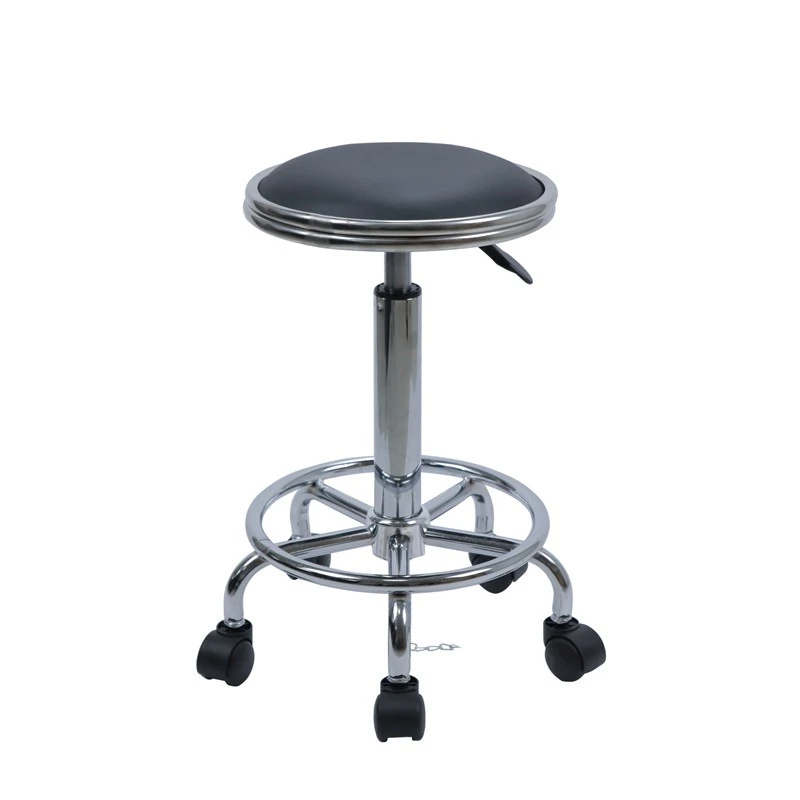

As a supplier of leather cleanroom stools, we are committed to providing our customers with high-quality products that meet their specific needs. Our range of stools with different types of wheels ensures that you can find the perfect solution for your cleanroom environment. If you are interested in learning more about our leather cleanroom stools or have any questions about the wheels, please feel free to contact us. We look forward to discussing your requirements and helping you make the right choice for your cleanroom.
References
- "Cleanroom Furniture: Design and Selection Guide," Industry Publication, [Year of Publication]
- "Wheels and Casters for Cleanroom Applications," Technical Report, [Year of Publication]